Micromodule Cables

Micromodule Cables: One Cable, Countless Possibilities

Our micromodule cables, built on a proprietary cable design, are engineered for midspan accessibility, allowing you to access fibers without the need to cut the cable. Perfect for a wide range of network applications, from midspan installations to backbone, access, feeder, distribution, and last-mile networks. With fiber counts ranging from 6 fibers to a staggering 864 fibers, we have got your connectivity needs covered.
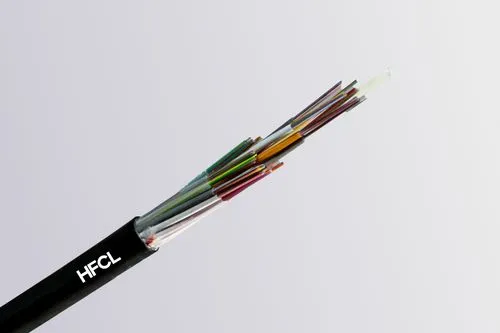
Overhead Cables

Jelly-filled micromodules with freely laid fibers ensure optimal transmission. Water-blocked core prevents interference; steel rods enhance durability
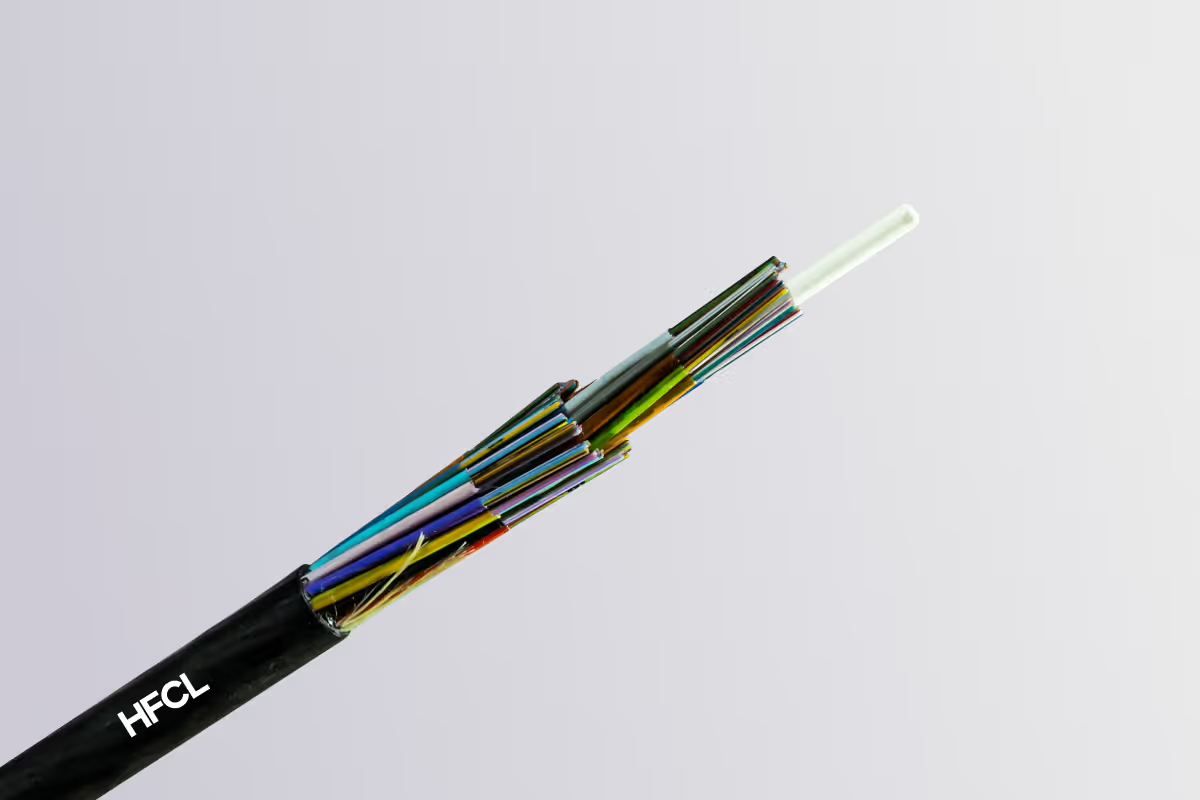
Transport Network Cables

Fiber elements in water-blocked modules with glass/aramid yarn for added durability. Polyethylene sheath with FRP ensures reliable and robust performance

Ultra-light-weight (ULW) Cables

Designed for today’s expanding networks, the 96F ULW Cable combines low weight, high fiber density, and reliable performance to streamline installations and ensure long-term network scalability across diverse environments and capacities
No items found.

NABL-accredited testing & certification facilities

Case Study

From Space Constraints to Seamless Installs: How HFCL Solved Fiber Density Challenges

An established European service provider needed to scale fibre capacity within existing 8–12 mm microducts, where space for expansion was limited. To meet rising bandwidth demand without altering infrastructure, HFCL introduced its Micromodule Microcable, combining high-density fibre with flexible micromodules. The result: seamless deployment, easier branching, and long-term reliability within existing network constraints.
From Space Constraints to Seamless Installs: How HFCL Solved Fiber Density Challenges
1 / 3

Insights

No items found.

FAQs

What are micromodule cables and their key benefits?

Micromodule cables consist of multiple small fiber bundles encased in a single protective sheath, offering a compact, high-density solution for modern telecom networks. Their lightweight and flexible design allows easier handling and installation in tight ducts, urban corridors, and micro-trench environments. They simplify mass fusion splicing, reduce civil work, and provide scalable network expansion. With enhanced mechanical stability and long-term durability, micromodule cables are ideal for FTTx, metro, and 5G backhaul networks that demand high capacity and reliability.

How do micromodule cables improve FTTx deployment?

Micromodule cables streamline FTTx deployments by combining multiple fiber modules in a single sheath, allowing simultaneous splicing and fast installation. Their bend-insensitive fibers and flexible design enable deployment in tight ducts and urban areas with minimal civil work. Operators benefit from higher fiber counts per cable, reduced project timelines, and lower operational costs. Micromodule cables support high-speed broadband, 5G backhaul, and future-ready networks while ensuring consistent performance, reliability, and scalability across dense urban and suburban regions.

Are micromodule cables suitable for long-distance networks?

Yes, micromodule cables are engineered for long-distance, high-capacity deployments, maintaining signal integrity over extended routes. Their rugged design ensures minimal attenuation, mechanical stability, and resistance to environmental stress, making them suitable for metro, intercity, and industrial networks. Compact, lightweight, and high-density, they allow telecom operators to maximize fiber count without increasing cable diameter. These cables reduce installation complexity and costs while enabling efficient maintenance and scalability for future network expansions in demanding environments.