DCR 1100-X120 IP/MPLS Routers
Next-Gen IP/MPLS Router with Segment Routing for Cell Site and Access Networks


About
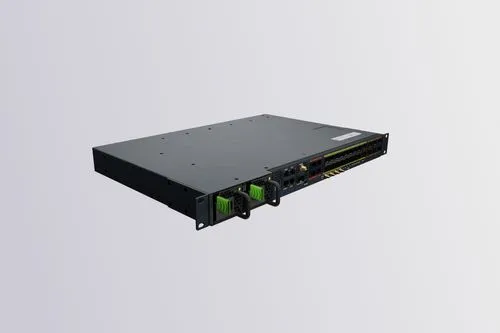
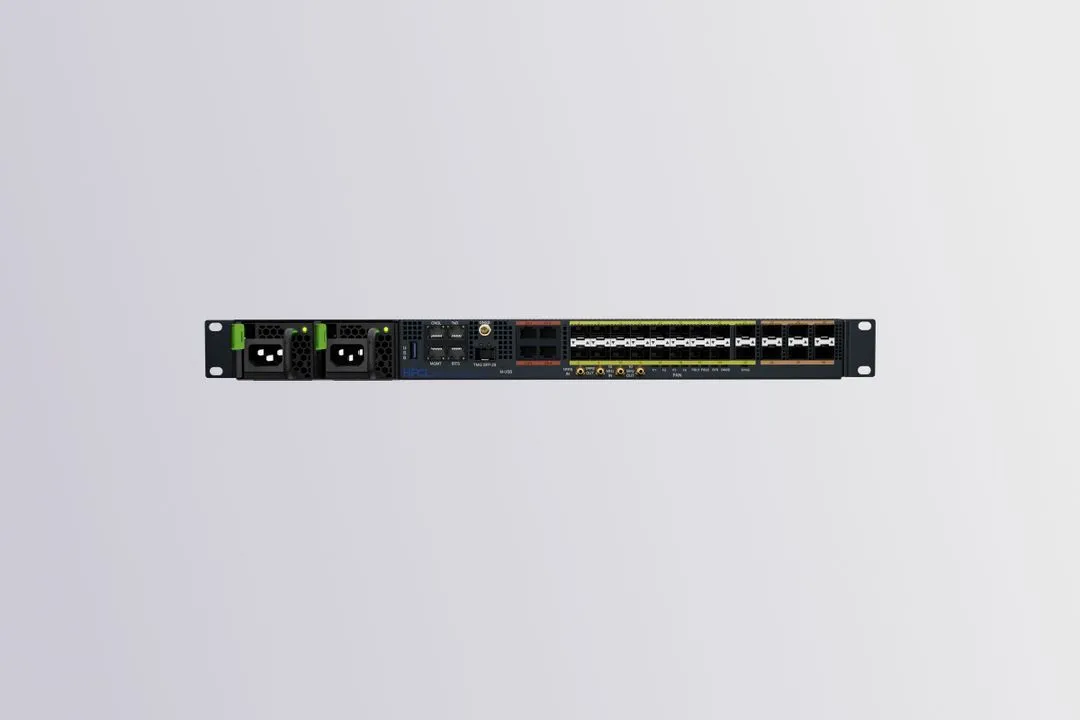
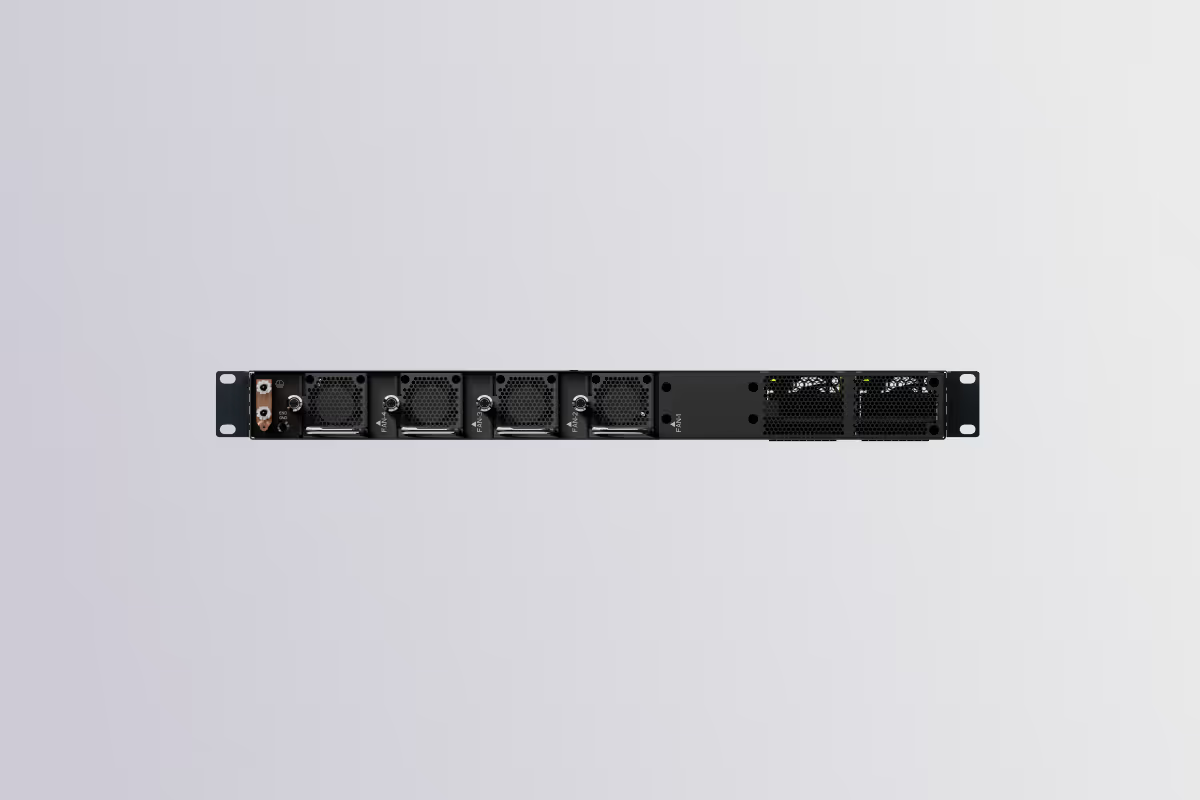
HFCL DCR 1100-X120 IP/MPLS Routers are purpose-built to deliver scalable IP transport, high throughput, and ultra-low latency across telecom and mission-critical networks, developed as part of HFCL’s indigenously designed portfolio. Designed for 5G access, cell sites and industrial edge, the series supports segment routing, advanced timing sync, and intuitive EMS integration. With carrier-grade reliability and simplified traffic management, DCR 1100-X120 enables seamless connectivity across access and aggregation layers in next-gen network deployments.
Features
Benefits
High Bandwidth Aggregation
Efficiently aggregates bandwidth for telecom companies and enterprises, promoting seamless connectivity and enhancing overall network performance
Segment Routing Flexibility
Provides a versatile set of L2 and L3 features compliant with Open Compute Standards, catering to diverse requirements for optimal network performance
Automated Operations
Supports Zero-touch Provisioning (ZTP) and compatibility with legacy SNMP and NETCONF/YANG, reducing manual intervention and streamlining management
Advanced Timing and Synchronization
Facilitates cutting-edge 5G applications with advanced timing capabilities, ensuring precise synchronization for improved service delivery
Compact Design with Robust Security
Compact design supports deployment in temperature-challenged, space-constrained locations. Enhanced security features protect control, data, and management planes, ensuring reliable operation
Key Specifications
Applications
- Cell Site Aggregation
- Edge Network Connectivity
- CSP Bandwidth Delivery
Variants
FAQs
In 5G networks, Access Points (APs) and Access Routers serve distinct yet interconnected roles. APs, like small cells, provide a wireless interface for device connectivity, focusing on local access. Conversely, Access Routers manage data routing between user devices and broader networks, handling complex tasks like traffic management. Together, they ensure seamless device connectivity and efficient network communication in 5G infrastructures, each playing a vital role in the network's overall functionality and performance.
A transport network in telecommunications is the backbone that connects and transfers data across a network, comprising both physical components like cables and switches, and software mechanisms. It's crucial for efficient, reliable, and secure data transmission between endpoints, supporting a wide array of services from internet access to mobile communications. With the advent of 5G, the transport network's role becomes even more vital, accommodating the need for higher bandwidth, lower latency, and greater scalability to enable advanced technologies such as streaming video, virtual reality, and IoT.
The 5G transport network is pivotal for businesses, enhancing connectivity with high-speed data transmission, low latency, and increased reliability. It supports up to 10 Gbps speeds, enabling efficient data flow and real-time exchanges crucial for automated systems and IoT. With network slicing, businesses can tailor network segments to their specific needs, ensuring optimal performance. Additionally, the network accommodates massive device connectivity, essential for leveraging IoT data in decision-making. Technologies like SDN and NFV within the 5G framework improve network management, adapting resources dynamically for peak efficiency, driving digital transformation and competitive advantage.