Transport Network Cables
Elevate Your Network's Strength, Speed, and Reliability with our Transport Network Cables

About
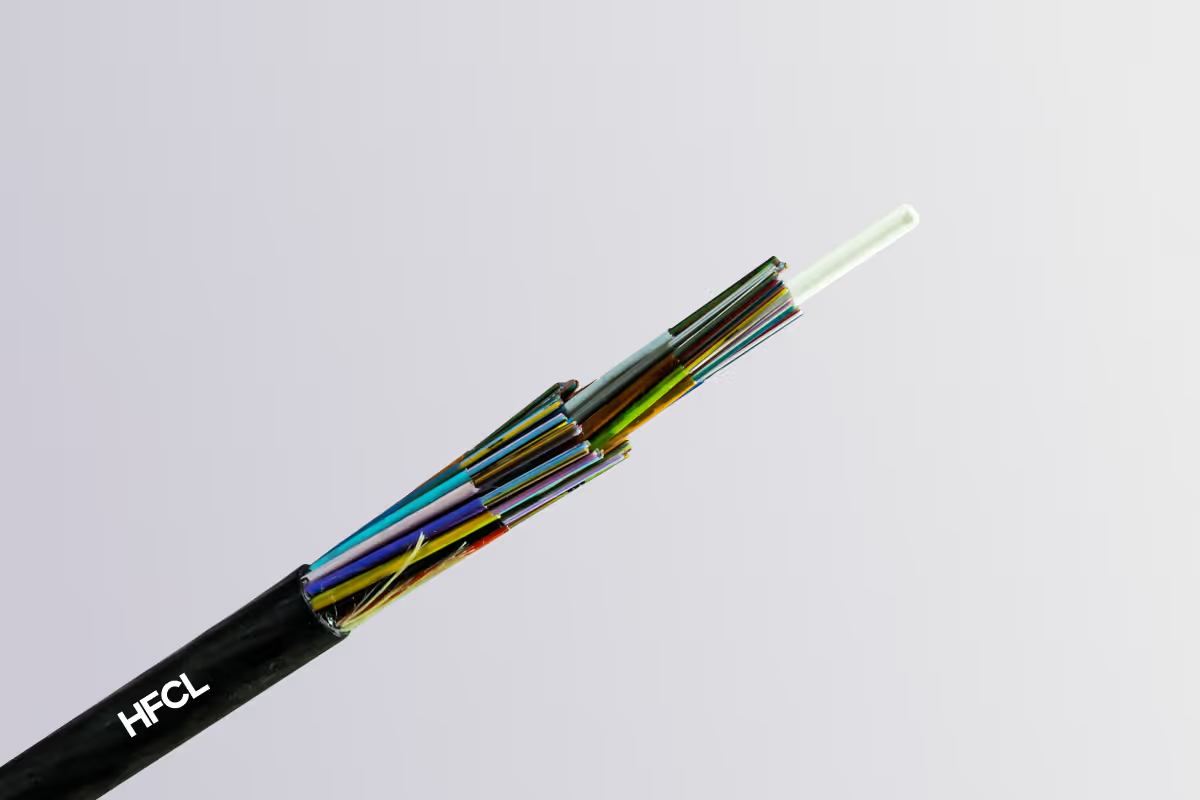
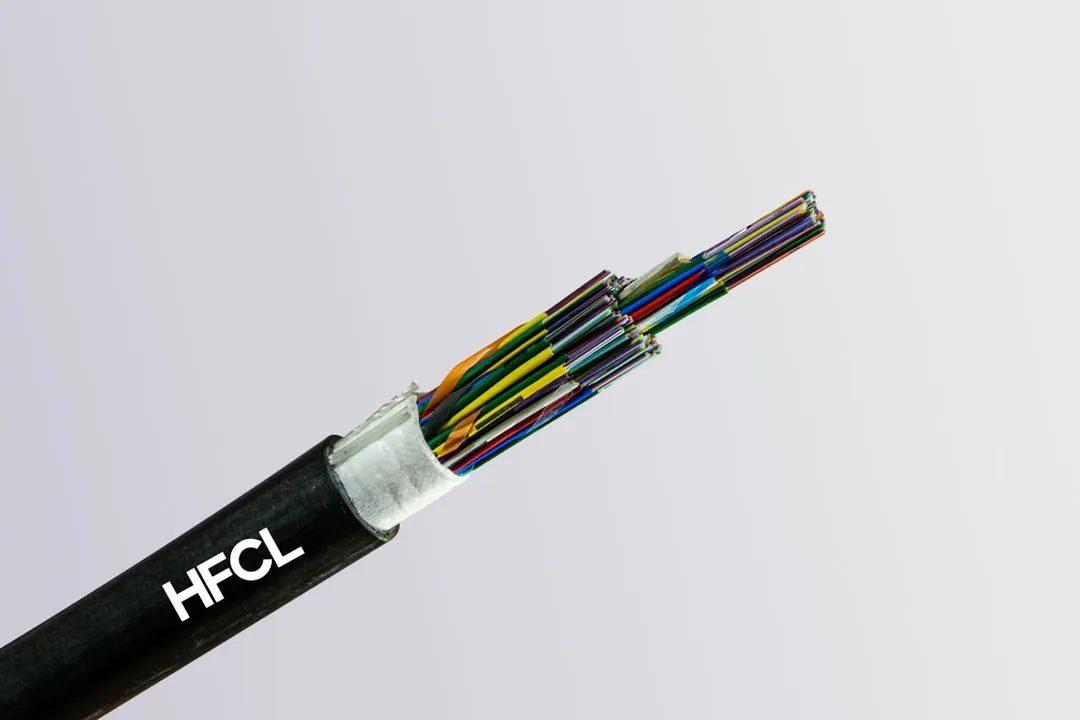
Designed for superior performance, these transport network cables feature freely laid-up optical fiber elements within water-blocked modules. The peripheral strength members made of robust glass or aramid yarn, coupled with a protective polyethylene sheath embedded with FRP, guarantee unparalleled durability and protection. Whether for midspan installations, expansive network backbones, access networks, or the vital last mile for ISP networks, our optical fiber cables redefine connectivity standards, offering a future-ready solution for seamless, high-performance communication.
Features
Benefits
Water-blocked Modules
These transport network cables ensure unparalleled reliability in challenging environments
Cable Performance Standards
Meets international benchmarks: IEC 60794-1-21/22, ANSI/ICEA S-87-640, Telcordia GR-20, ITU-T, XP C93-850-3-25, RoHS
Versatile Fiber Options
Fiber type includes ITU-T G.657.A2, G.657.A1, and G.652.D, offering flexibility and compatibility
Extreme Environmental Resilience
Operates seamlessly from -40⁰C to +70⁰C, ensuring consistent performance in diverse conditions
Key Specifications
Applications
- Access network
- Backbone network
- Feeder and distribution network
- Last-mile connectivity
- ISP network
- Midspan
Variants
FAQs
A transport network refers to the infrastructure that facilitates the long-distance, high-capacity transmission of data or telecommunications signals. It forms the backbone of a communication system, enabling the efficient and rapid movement of information across extended distances. In the context of telecommunications, a transport network is often associated with the core network that interconnects major nodes, data centers, and central offices.
An Optical Transport Network (OTN) is a high-capacity telecommunications infrastructure using optical fiber. It leverages Wavelength Division Multiplexing for efficient data transmission while adhering to international standards like those set by the ITU. With multiplexing, switching capabilities, and error correction mechanisms, OTN supports diverse traffic types, including SDH, Ethernet, and storage protocols. This hierarchical, standardized approach ensures reliable, scalable, and flexible long-distance communication, making OTN a key component of modern optical networks.
A transport network is the physical backbone facilitating long-distance data transmission, connecting major nodes and data centers. It employs technologies like optical fibers. In contrast, a transit network is a service, often provided by ISPs, allowing data to traverse their network to reach destinations, particularly in internet connectivity, involving routing and packet switching.