DCR 1100-X800 IP/MPLS Routers
IP/MPLS Routers for Simplified Aggregation and Pre-Aggregation Network Routing

About
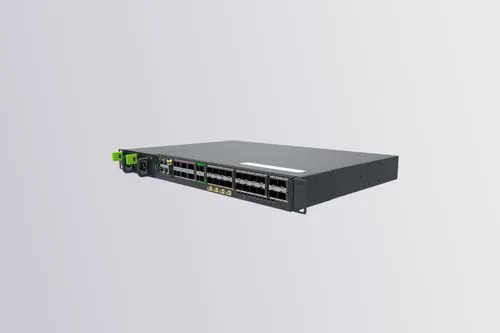
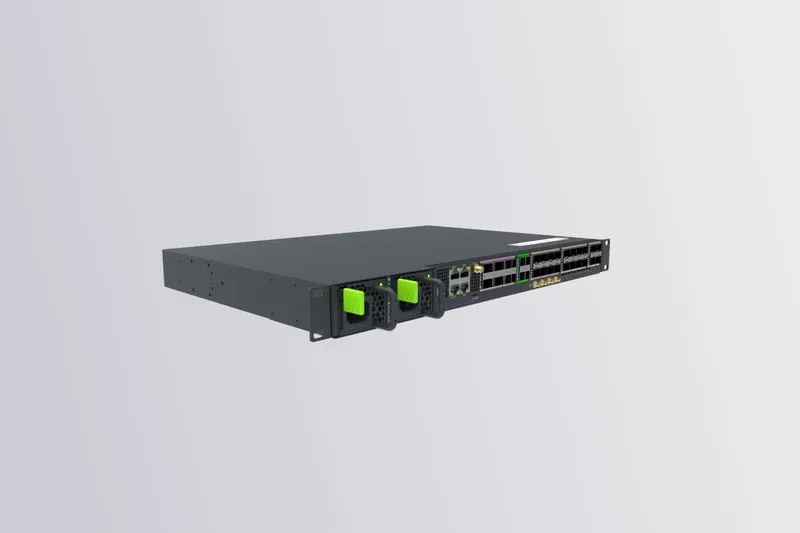
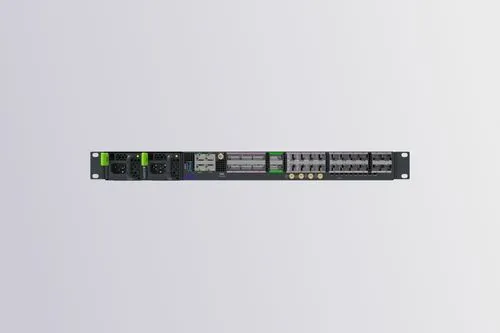
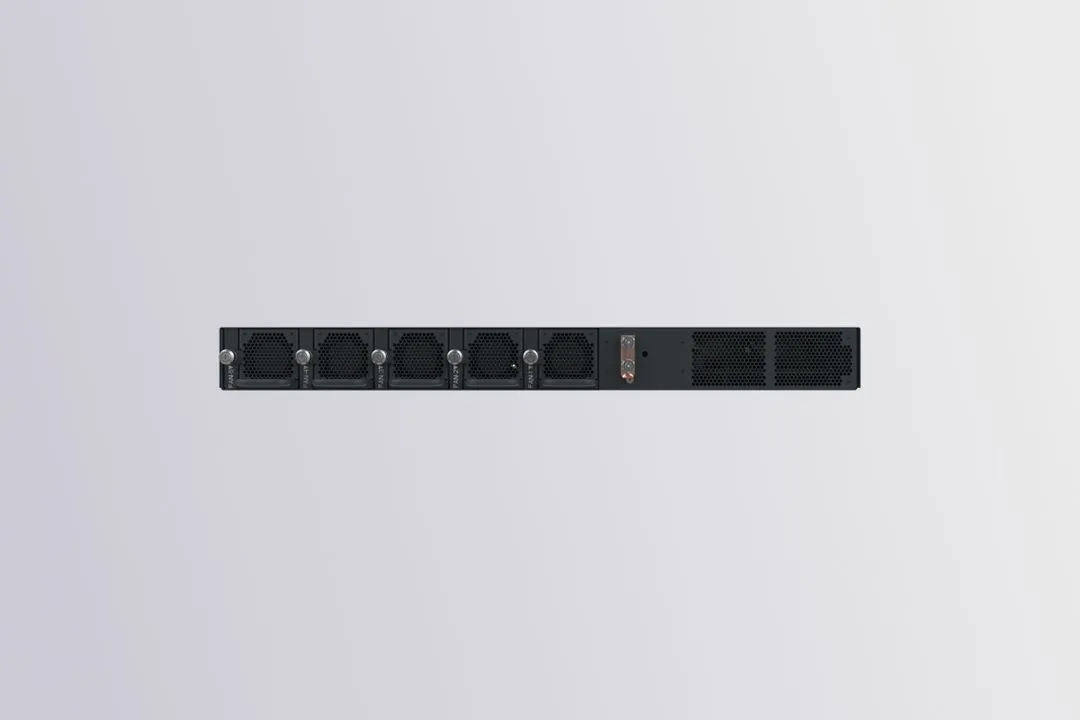
HFCL DCR 1100-X800 IP/MPLS Routers are compact, high capacity platforms designed for aggregation and pre-aggregation in modern telecom networks, built on HFCL’s proprietary technology. With 800 Gbps switching capacity, they consolidate traffic from distribution and edge layers, making them ideal for 5G transport, fiber rollouts, and smart city networks. The compact form factor supports deployments in space constrained sites, while ensuring high throughput, carrier grade-reliability, and readiness for next generation IP/MPLS architectures.
Features
Benefits
High Bandwidth Aggregation
Efficiently aggregates bandwidth for telecom companies and enterprises, promoting seamless connectivity and enhancing overall network performance
Segment Routing Flexibility
Provides a versatile set of L2 and L3 features compliant with Open Compute Standards, catering to diverse requirements for optimal network performance
Automated Operations
Supports Zero-touch Provisioning (ZTP) and compatibility with legacy SNMP and NETCONF/YANG, reducing manual intervention and streamlining management
Advanced Timing and Synchronization
Facilitates cutting-edge 5G applications with advanced timing capabilities, ensuring precise synchronization for improved service delivery
Compact Design with Robust Security
Compact design supports deployment in temperature-challenged, space-constrained locations. Enhanced security features protect control, data, and management planes, ensuring reliable operation
Key Specifications
Applications
- Mobile Traffic Aggregation
- Mobile Traffic Pre-aggregation
- Enterprise Connectivity
Variants
FAQs
The 5G transport network, crucial for seamless data flow in the 5G architecture, encompasses front-haul, mid-haul, and back-haul components, connecting various network segments with high bandwidth and low latency. It integrates core network connectivity, edge computing, and supports advanced features like network slicing and precise synchronization. Utilizing technologies such as SDN and NFV, it offers unparalleled flexibility and efficiency. This infrastructure is foundational in delivering the diverse and demanding applications of 5G, from mobile broadband to IoT, ensuring robust, scalable, and reliable connectivity.
Deploying 5G transport networks presents challenges like scalability for immense data volumes and devices, achieving ultra-low latency vital for applications like autonomous driving, and meeting high bandwidth demands. Network slicing management adds complexity in allocating resources and maintaining performance. Significant investment is needed to upgrade infrastructure, while ensuring interoperability and backward compatibility with existing technologies. Additionally, enhancing security in more complex networks and designing energy-efficient solutions are crucial. Overcoming these hurdles requires innovation, investment, and collaboration among stakeholders to unlock 5G's transformative potential.
MPLS and IP/MPLS, though often used interchangeably, have nuances in their application, especially regarding integration with IP networks. MPLS is multiprotocol and not limited to IP, capable of handling various network traffic types with its label-switching technique for efficient packet routing. IP/MPLS, on the other hand, emphasizes MPLS's deployment within IP networks, enhancing IP routing with features like VPNs, traffic engineering, and QoS. While MPLS is protocol-agnostic, IP/MPLS underscores its utility in optimizing IP network operations, a common focus in today’s network environments. Essentially, both terms describe the same label-switched routing functionality, but "IP/MPLS" specifically highlights its role in enriching IP network services.