Underground Cables

Beneath, Beyond, Seamless- HFCL’s Underground Cables

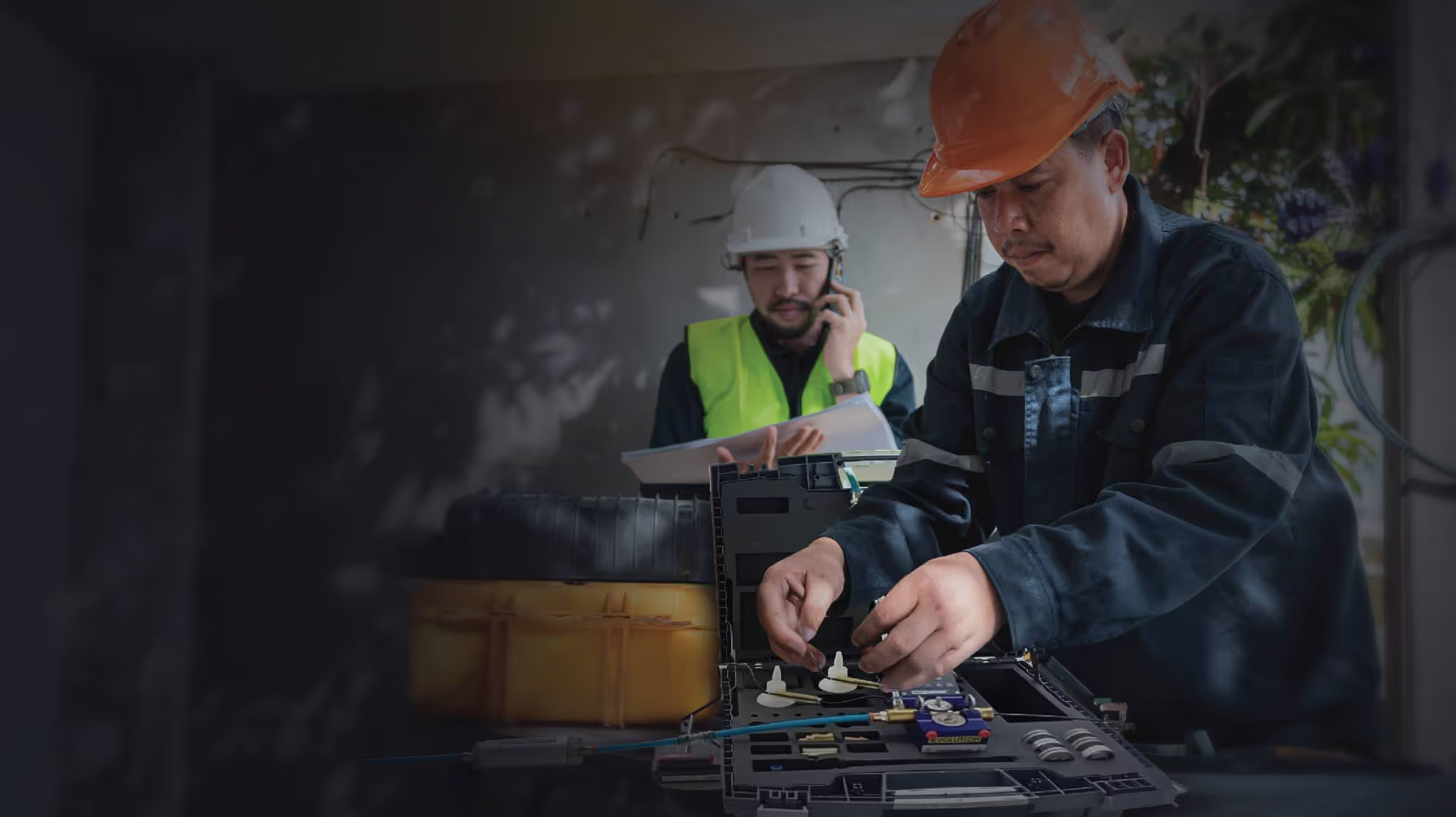
High maintenance, aesthetics, and interference concerns? HFCL’s underground optical fiber cable is the solution. Our durable underground cables are perfectly suited for distribution, backbone, and access networks, ensuring a seamless duct installation no matter if you opt for pulling, blowing, or floating techniques.
Armored Cables

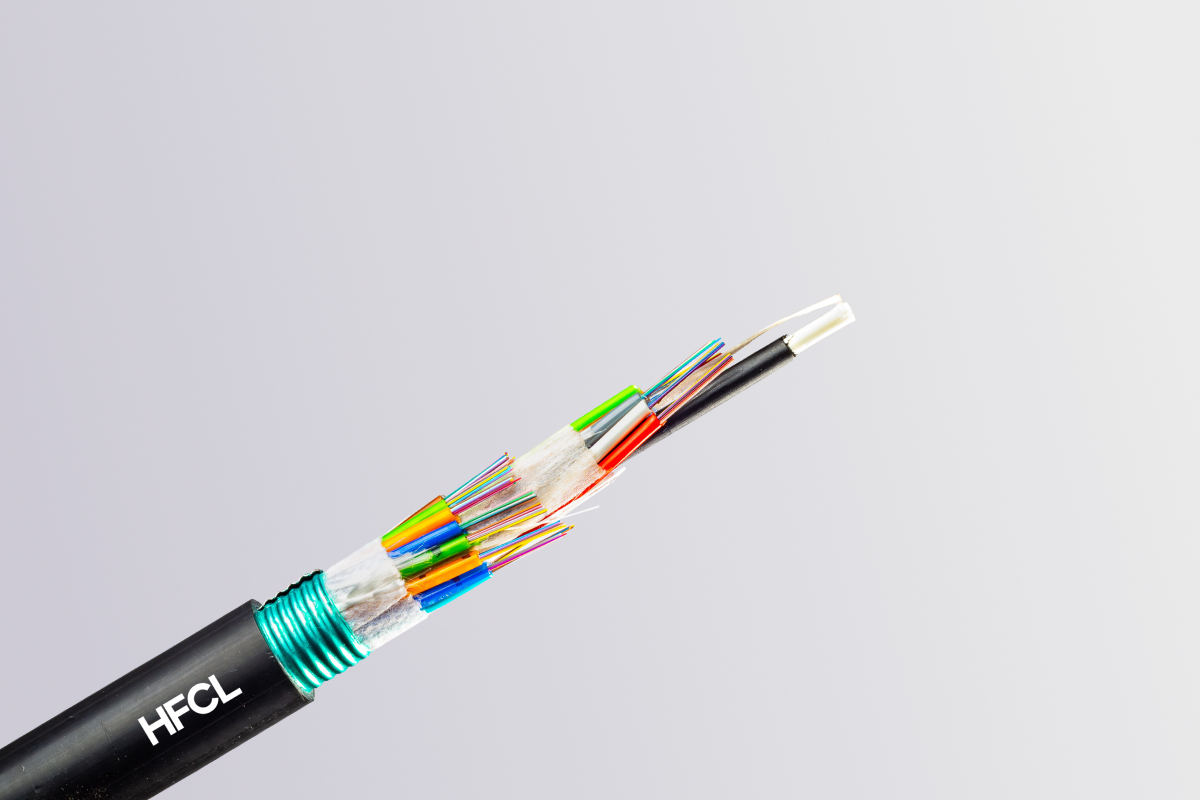
Ideal for outdoor installations, our armored optical fiber cables conquer mechanical stress, climatic changes, and rodent attacks. Peace of mind guaranteed
Intermittent Bonded Ribbon (IBR) Cable

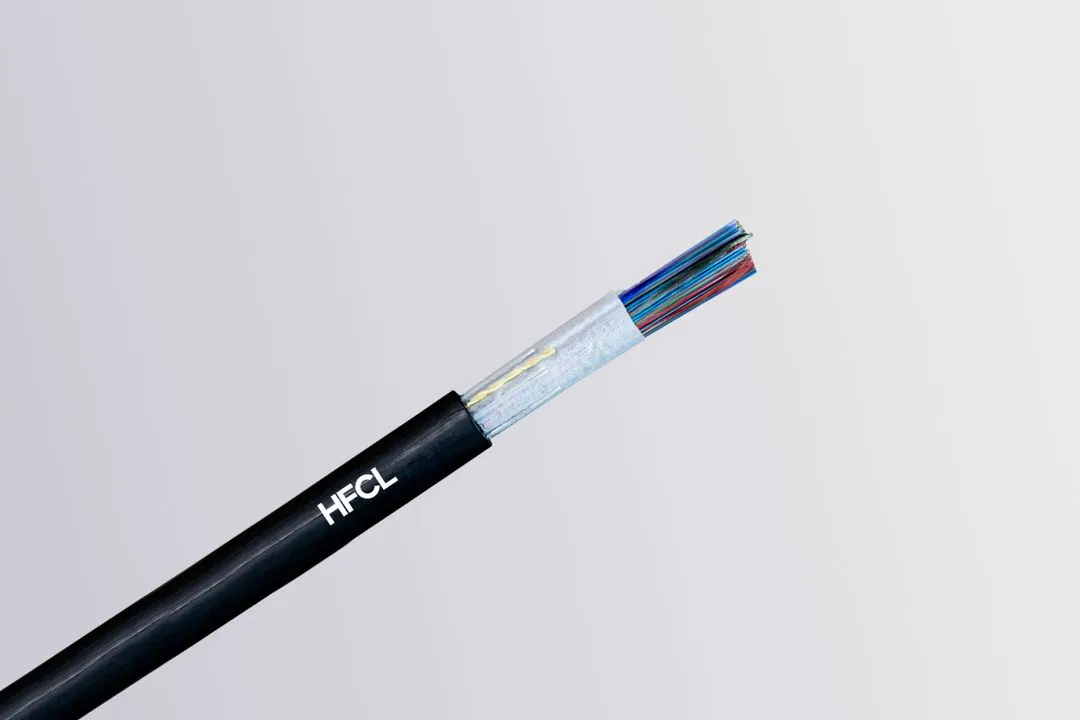
HFCL’s patented IBR technology Cables excel with high packing density and reduced weight. Ideal for diverse applications—underground burial, backbone, access network, and data centers

Unarmored Cables

Our unarmored optical fiber cables are versatile for duct pulling and blowing. These are tailored optical fiber cables to suit various applications and requirements
No items found.

NABL-accredited testing & certification facilities

Case Study

1000 metres in a Single Blow: HFCL's Optibend Unitube Mini Cable for FTTx Connectivity

HFCL took on a demanding FTTx requirement from a European customer to deliver a Unitube blown cable capable of reaching 1000 metres in an 8/5 mm microduct at 7 bar pressure. While the initial 24-fibre prototype showed promise, it fell short under real-world conditions. This led to a focused redesign. After 26 iterations and close collaboration with HTL Hosur, HFCL developed an optimized Optibend Unitube Mini Cable with a low-friction outer jacket, validated through rigorous testing, and proven to meet the customer’s performance expectations.
1000 metres in a Single Blow: HFCL's Optibend Unitube Mini Cable for FTTx Connectivity

UK’s Leading Telecom Operator Boosts Fire Safety with HFCL's Top-Rated B2ca Cables

A leading telecom provider in the UK faced an urgent need to future-proof their fiber plant by improving the flame rating of their legacy cabling solution. There was a critical requirement to improve their cables’ rating to the more stringent Cca classification. This upgrade was crucial to enhance fire safety and comply with evolving regulatory standards. Moreover, the customer sought a solution within an aggressive timeframe and with a minimal cost impact to minimize operational disruptions.
UK’s Leading Telecom Operator Boosts Fire Safety with HFCL's Top-Rated B2ca Cables

UK's largest network operator Doubles Fibre Capacity with HFCL's 96F ULW Aerial Cable

HFCL developed a 96-fibre Ultra Lightweight (ULW) aerial cable solution that provided a significant boost in network capacity while maintaining a compact and lightweight design. This innovation allowed the customer to effectively double their fibre capacity without increasing aerial congestion or installation costs. The solution’s success is marked by its adherence to stringent performance standards and extensive deployment across the UK. Additionally, the design received a patent in April 2024, underscoring its uniqueness and technical advancement.
UK's largest network operator Doubles Fibre Capacity with HFCL's 96F ULW Aerial Cable
1 / 3

Insights

No items found.

FAQs

What are the latest trends in underground cable technology?

The latest trends in underground cable technology focus on higher fiber density, compact designs, and eco-friendly installation methods. Modern cables feature dry-dry construction, bend-insensitive fibers, and improved sheath materials for better flexibility and durability. Smart microcables and air-blown fiber systems are gaining popularity for faster, safer deployments with minimal environmental impact. Globally, telecom operators are upgrading to high-capacity underground cables to support 5G, FTTx, and data center networks while ensuring long-term network reliability and reduced maintenance costs.

Why are underground fiber optic cables preferred over aerial installations?

Underground fiber optic cables are preferred because they offer enhanced protection against environmental damage, vandalism, and weather-related disruptions. Unlike aerial cables, underground installations ensure stable network performance and longer cable lifespan, especially in high-traffic or extreme weather zones. They also reduce visual clutter and maintenance needs. With advancements in micro-trenching and duct-based systems, deploying underground cables has become more cost-effective and faster, making them the ideal choice for dense urban networks and mission-critical communication infrastructures.

How is underground cabling enabling the expansion of 5G and FTTx networks?

Underground cabling forms the foundation of 5G and FTTx networks by providing secure, high-capacity pathways for data transmission. These cables minimize signal loss and latency, ensuring efficient backhaul and last-mile connectivity. With rising data consumption and smart city development, operators are adopting advanced underground fiber solutions that support dense, scalable network architectures. Innovative designs like high-density microcables and reduced-diameter fibers are making underground installations faster, more sustainable, and future-ready for next-generation communication systems.

What factors affect the performance of underground optical fiber cables?

The performance of underground optical fiber cables depends on several factors including cable design, installation quality, soil conditions, and environmental stress. Proper ducting, moisture resistance, and mechanical strength are critical for ensuring longevity and minimal signal attenuation. Modern underground cables feature enhanced sheathing, water-blocking elements, and robust armoring to withstand compression and rodent attacks. Regular monitoring and maintenance also help preserve network performance. Choosing high-quality, tested cables ensures reliable connectivity and optimal performance across diverse terrains.