A1 Optical Fiber

Next-Gen Optical Fiber for Faster, Stronger Networks

A1 Optical Fiber is a single-mode fiber series engineered to resist bending and minimize water peak attenuation. Designed for enhanced performance, it ensures lower macro bend loss, reduced splice loss, and minimal dispersion resulting in superior signal transmission. This fiber not only meets but surpasses the requirements of ITU-T G.657.A1 standards
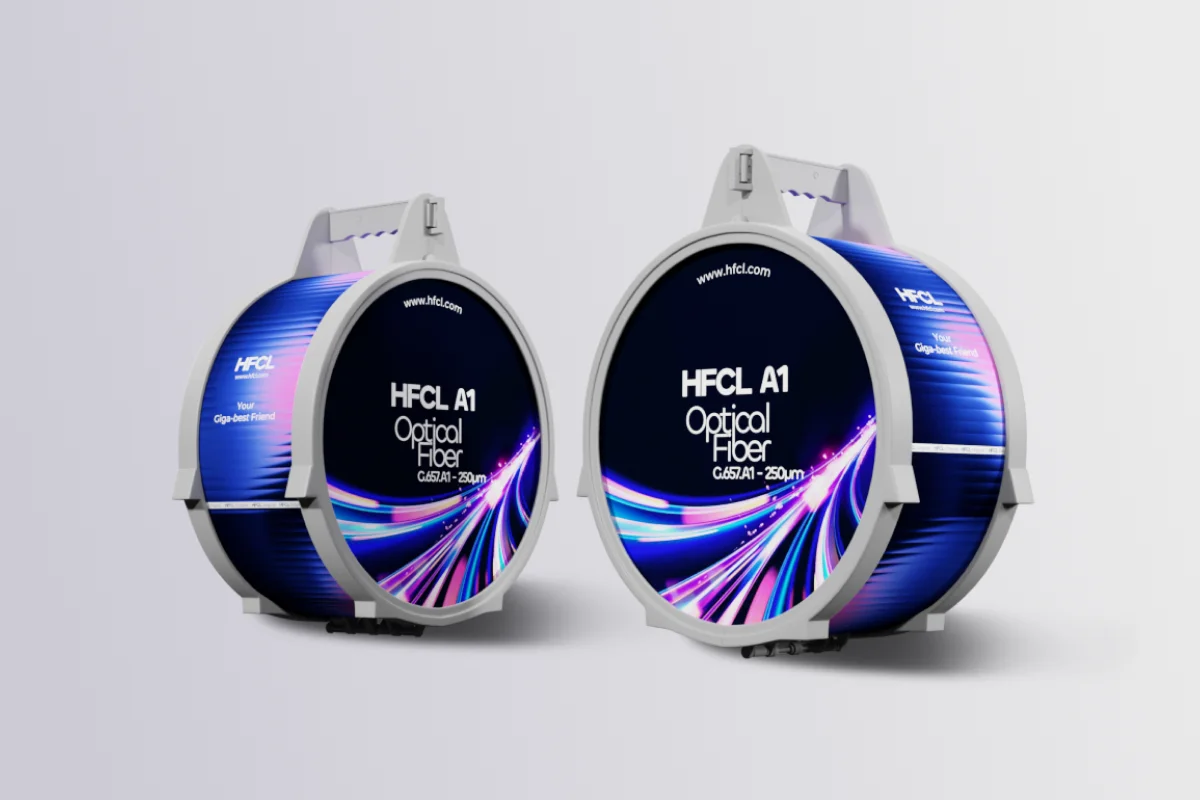
HFCL A1 Optical Fiber

HFCL A1 optical fiber ensures uninterrupted signals with low bend sensitivity, reduced losses, and compliance with ITU-T G.657.A1 standards, setting the bar for efficient connectivity
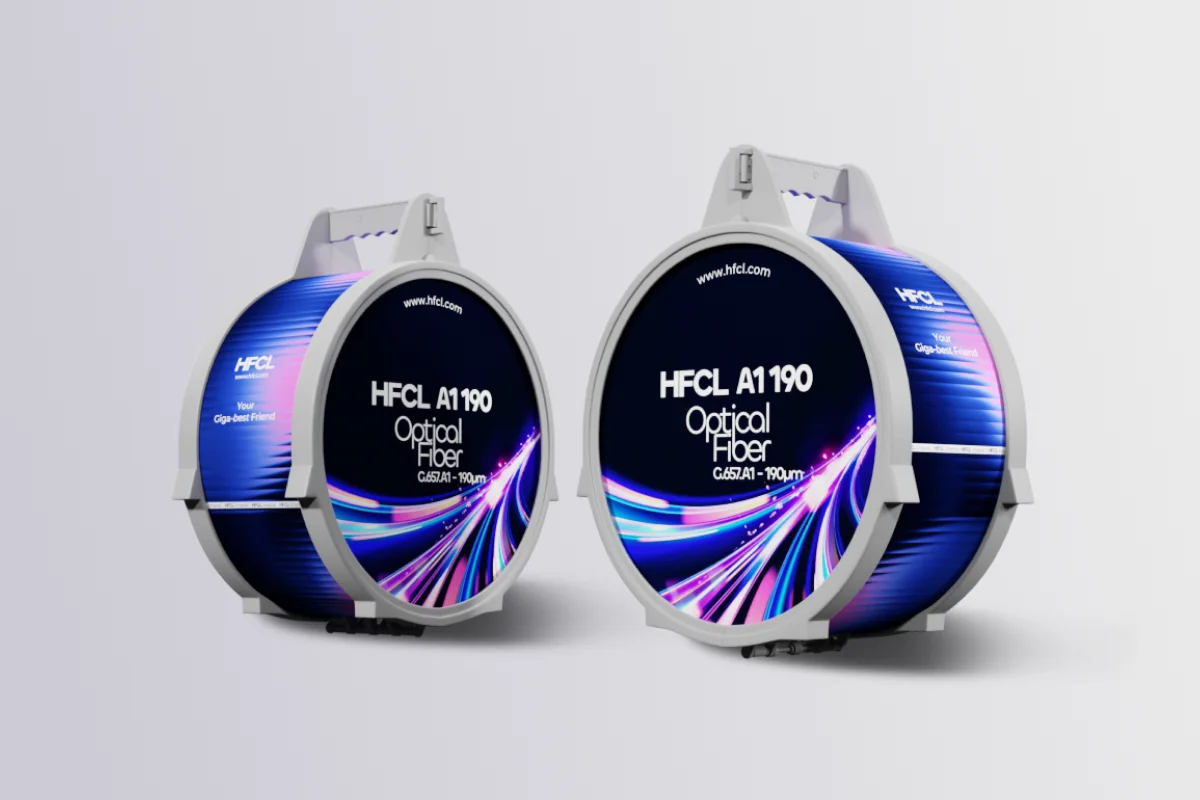
HFCL A1 190 Optical Fiber

HFCL A1 190 Optical Fiber combines high fiber count with reduced diameter, ensuring seamless integration, reduced post-cabling losses, and compliance with ITU-T G.657.A1 standards for robust network performance.
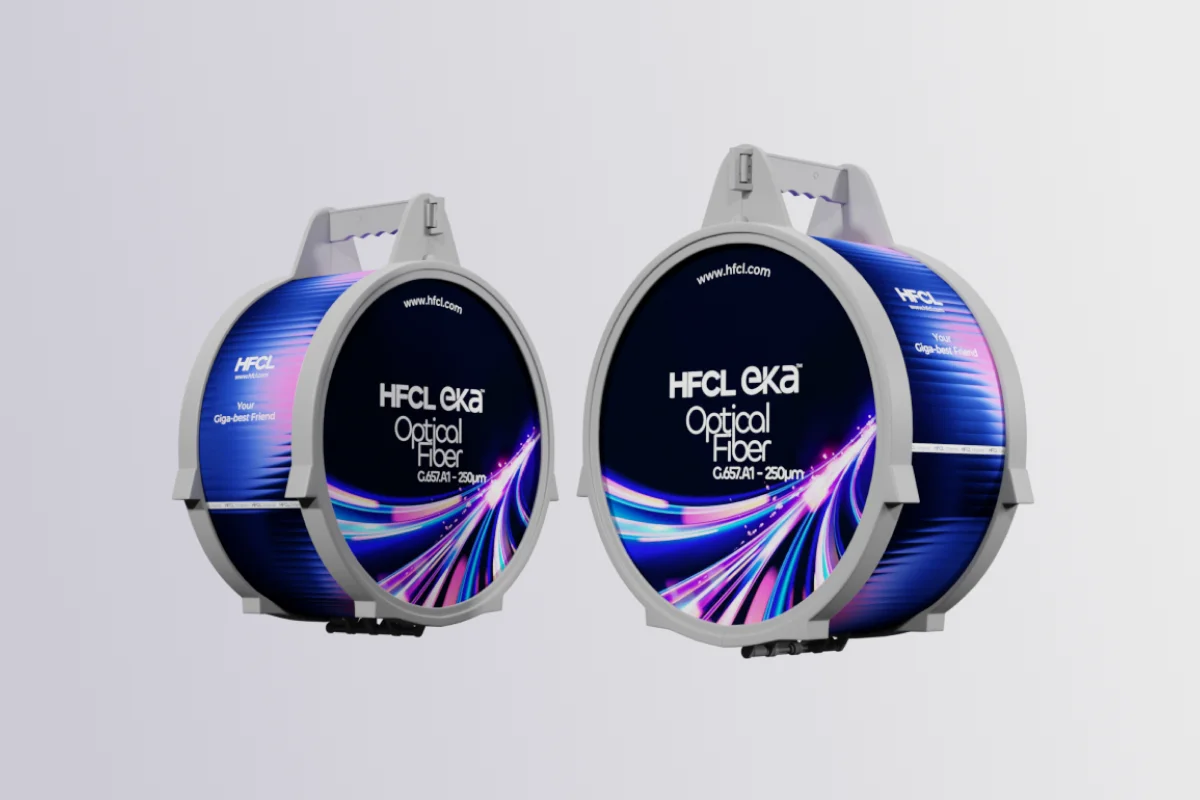
HFCL Eka Optical Fiber

Say goodbye to signal disruptions. Our single-mode fiber is your solution for enhanced last-mile connectivity, minimal losses, and superior bend resilience. This optical fiber complies with ITU-T G.657.A1 standards.
No items found.

NABL-accredited testing & certification facilities

Case Study

No items found.
1 / 3

Insights

No items found.

FAQs

How are data centers and hyperscalers shaping the future of optical fiber networks?

Hyperscale data centers are expanding faster than ever, driven by AI and cloud computing. This shift demands high-capacity, low-latency fiber networks to handle massive data flows between servers and global cloud hubs. Optical fibers now form the backbone of modern data infrastructure, ensuring speed, reliability, and energy efficiency.

Why is 800G technology considered a milestone for optical fiber networks?

800G optical systems mark a breakthrough in data transmission efficiency. They double network capacity without requiring new infrastructure, supporting growing cloud, streaming, and AI workloads. Designed for scalability, these systems reduce power consumption and latency while making optical fiber networks ready for next-generation, high-performance data environments.

How are optical fiber networks evolving to support future digital infrastructure?

Fiber networks are moving toward higher density, lower loss, and smarter architecture. Compact, high-fiber-count cables and advanced materials improve signal integrity and installation efficiency. These innovations make networks more sustainable and scalable, ensuring readiness for 5G, 6G, smart cities, and intelligent edge computing ecosystems.