Active Optical Components

Streamline your Network with Next-gen Active Optical Components

Transceivers, AOC, and DAC assemblies enable high-speed data transmission, offering long-distance links, flexible, and cost-effective connectivity. Together, these products ensure scalable, and low-latency network performance in data centers.

Active Optical Cable

AOCs pair optical fiber with transceivers for high-bandwidth, medium to long-range data links. Lightweight and power-efficient, they suit cloud data centers and high-performance computing

Direct Attach Copper Cable

DAC Cables are twinax copper cables for cost-effective, low-power, short-range links between devices like switches and servers. Passive DACs suit short distances, while Active DACs boost signals for longer reach
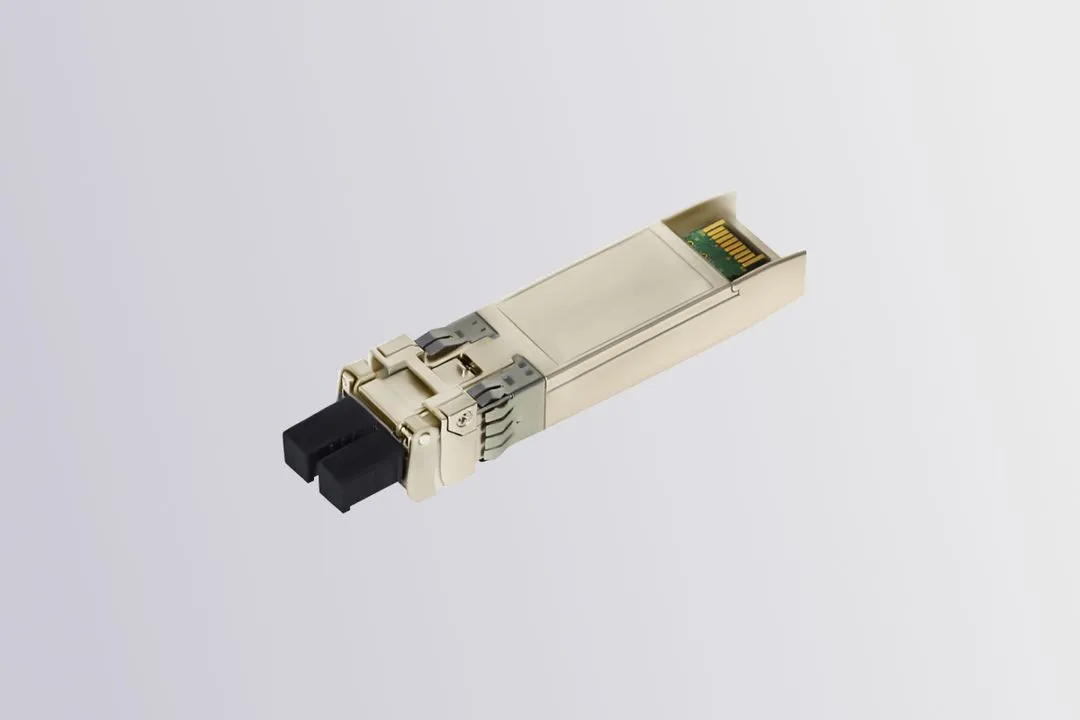
Transceivers

Transceivers convert electrical signals to optical, enabling high-speed data transmission. Available in SFP, QSFP, and CFP form factors, they support 1Gbps to 400Gbps, vital for optical networks
No items found.

NABL-accredited testing & certification facilities

Case Study

No items found.
1 / 3

Insights

No items found.

FAQs

In which scenarios are Direct Attach Copper (DAC) cables used by hyperscalers and enterprises?

DACs are deployed for short, high-speed links (usually under 7 meters) between switches, servers, and storage in rack or adjacent racks. They offer simple installation, low power, reduced cost, and reliability for mission-critical interconnects in cloud, finance, and high-frequency trading platforms.

What roles do Active Optical Cables (AOCs) play in modern data centers?

AOCs are widely used to connect top-of-rack switches to aggregation switches, link servers in high-density environments, and provide secure, low-interference connections up to 100 meters in hyperscale and enterprise data centers. They're favored for high-speed flash storage, AI clusters, and breakout (multi-link) applications.

Where are optical transceivers commonly used?

Transceivers bridge high-capacity links in data centers, enterprises, and between cities. They enable fast data exchange for cloud computing, AI, 5G, financial trading, and edge computing—supporting both long-haul fiber and short-reach aggregation needs.