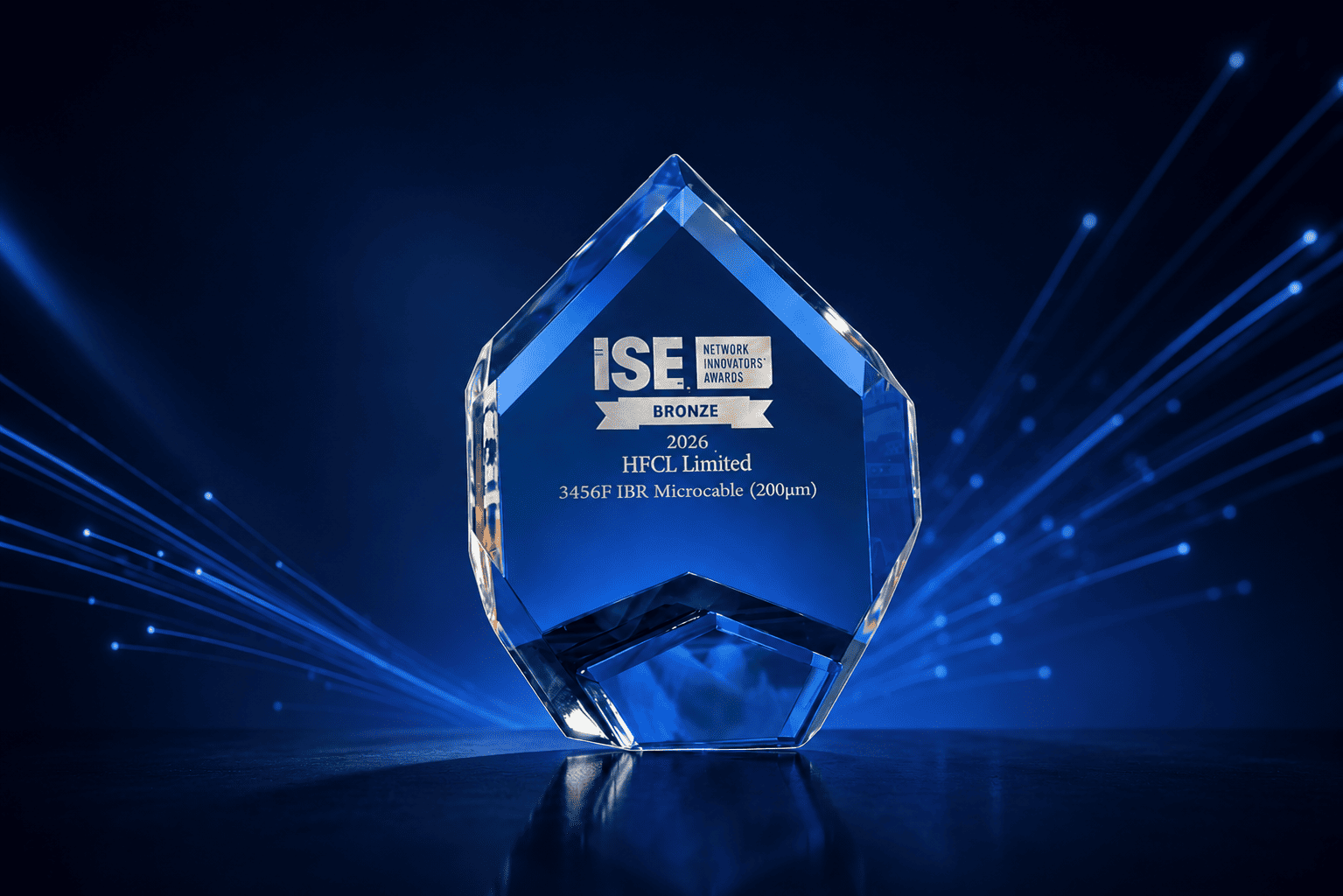
Delivering 2x Network Performance Global Multinational Corporation Transforms Expansion with HFCL's Compact IBR Cable

Case Study Highlights
- 8.8 fibers/mm² - density for space-constrained networks
- Blown up to1,500m at 80% duct fill
- 46% lower carbon footprintthan traditional cables
- 24% smaller diameter fits in 18/14 & 16/13 microducts efficiently and reliably
- Mass fusion splicing for rapid installation and significant time savings
Overview
To support scalable next-generation broadband services, a leading U.S. hyperscale tech giant needed to upgrade its long-haul network infrastructure. A large-scale fiber deployment initiative in the U.S. sought to double network capacity without expanding its already full 18/14 and 16/13 microducts. The challenge came with tight constraints: IBR ribbon-only design, long-distance blowing, and mass fusion splicing support. To meet these demands, HFCL introduced its 864F IBR Micro Cable (11.2mm), a purpose-built, ultra-compact solution that unlocked higher capacity in limited space, enabling a faster, greener, and infrastructure-free upgrade path.
Customer’s Overview
A major tech giant is fueling the AI revolution with a staggering $65 billion datacenter expansion in 2025, deploying optical fiber overlays and hyperscale campuses across North America. This cutting-edge investment includes advanced fiber optic networks to support future AI workloads and ultra-low latency for next-gen internet applications, ensuring unmatched global scalability and transformative digital infrastructure leadership.
Challenges Faced
High Fiber Count in Limited Space
Installing 864 fibers in narrow ducts demanded an exceptionally compact cable design without sacrificing durability.
Cable Flexibility & Bend Radius
High fiber count often results in stiffer cables. The cable had to be flexible enough to pass through duct bends.
Minimized Weight for Long Blowing Distances
Heavier cables reduce jetting range. Reducing weight was key to achieving efficient blowing over 1,000+ meters.
Mechanical Strength & Reliability
The cable needs to withstand handling stress, radial pressure during installation, and remain structurally sound throughout its operational life.
HFCL’s Approach to These Challenges
1. Reduced Fiber Diameter for Compactness
HFCL reduced the fiber diameter from 250μm to 200μm, enabling a 24% reduction in the overall cable diameter. This compact design allowed 864 fibers to fit comfortably within existing micro ducts, optimizing space without compromising optical performance crucial where duct expansion isn't feasible.
2. Flexible Strength Members for Bend Navigation
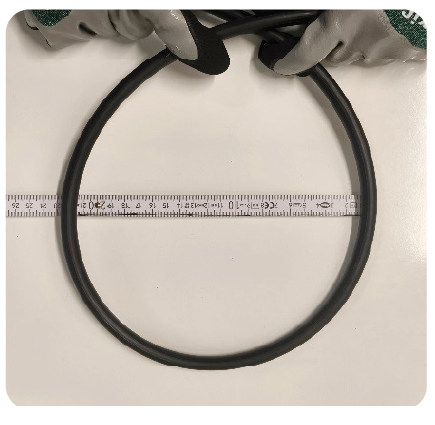
Traditional FRP strength members made the cable too stiff, causing blockages during blowing. HFCL introduced less rigid ARP strength members that improved flexibility, enabling the cable to navigate tight bends smoothly while maintaining a safe bend radius.
3. Tubeless Design with Binder Yarns
By eliminating buffer tubes and using binder yarns to hold the fiber ribbons, the cable became significantly lighter and slimmer. This streamlined structure enhanced blowing distance and simplified the internal construction for easier handling and installation.
4. Bonded Ribbon for Fusion and Flexibility
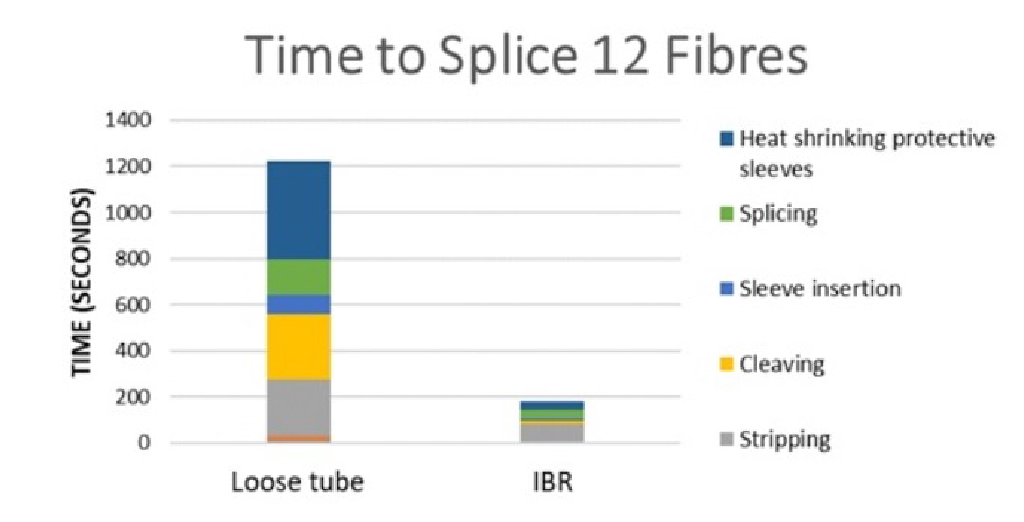
The use of bonded ribbon construction enabled mass fusion splicing as per customer requirements and save ~ 83% of the time as compared to the time required to splice 12 loose fibers.
5. Improved Mechanical Durability
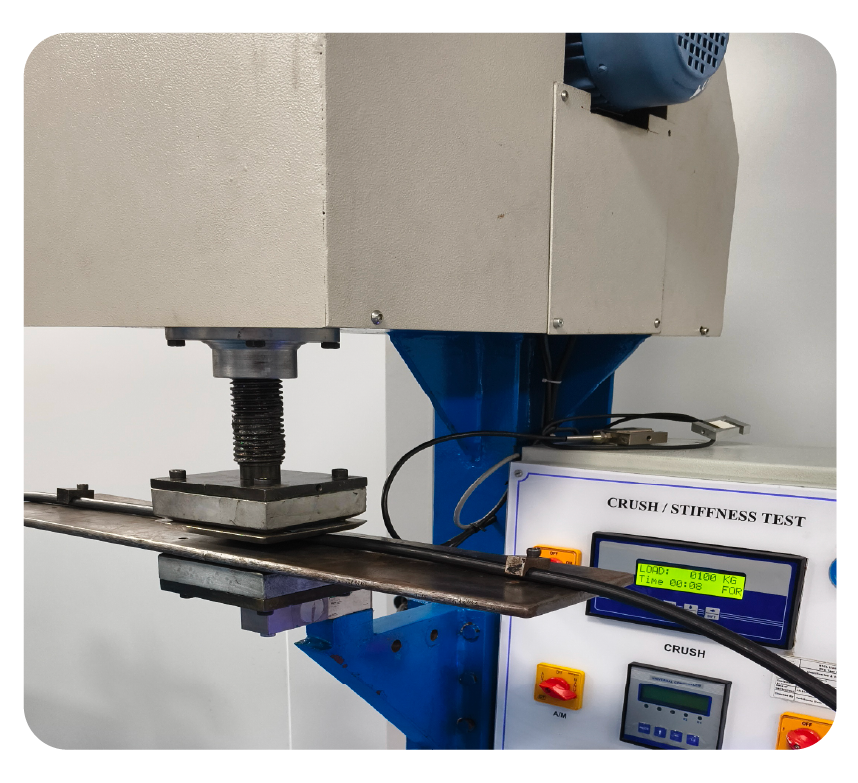
Initial trials showed deformation under radial pressure during blowing. The cable construction was optimized with enhance compressive strength up to 1000N without any significant change in fiber attenuation. The result: a more robust cable that maintains structural integrity during installation and throughout its lifecycle.
6. Luffa-Shaped Sheath for Blowing Efficiency
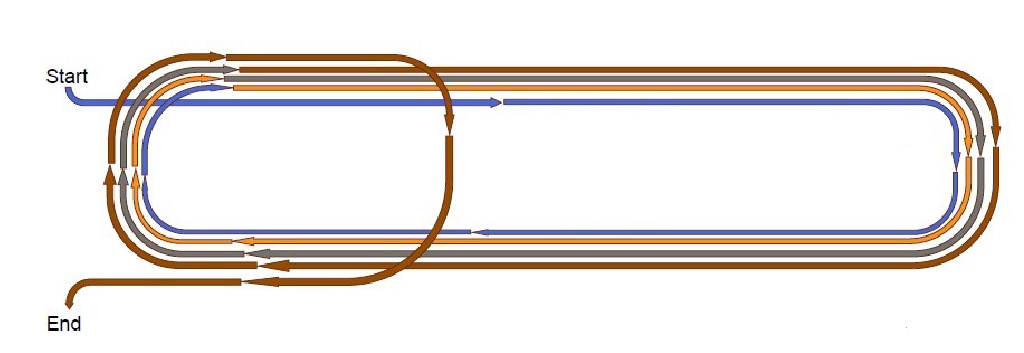
To reduce friction and improve air drag, we adopted a Luffa-shaped outer sheath. This reduced contact with duct walls and increased blowing speed, delivering a 12.5% reduction in installation time over conventional cable designs.
Success Metrics
Key success metrics from the upgrade include:
Proven Blowing Performance:
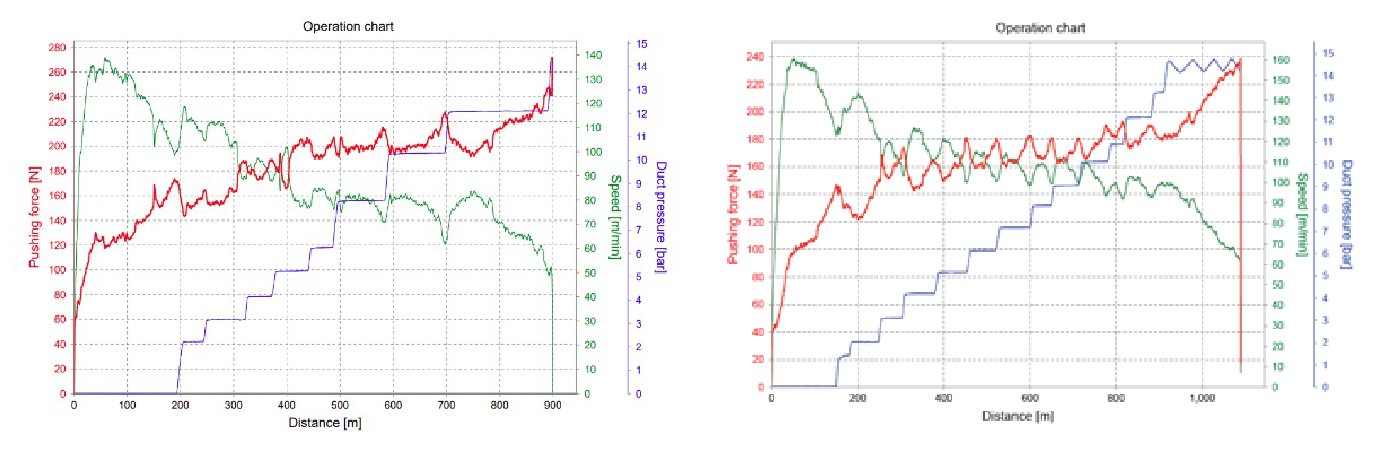
Successfully blown over 1,140 meters through microducts in field testing, meeting performance requirements.
Simplified Splicing & Access:
Binder yarn construction provides direct access to fiber ribbons after sheath removal, making splicing and field handling faster and easier.
Compact, Sustainable Design:
24% smaller diameter, 47.5% less HDPE usage, and 46% lower carbon emissions, reducing material, shipping, and ducting costs.
Standards Compliant:
Fully conforms to GR-20, IEC 60794-5-10, and ICEA S-122-744, ensuring high reliability and long-term operational performance.
Applications
The HFCL 864F IBR Micro Cable is ideal for:
Long-Haul Telecom Networks:
Successfully blown over 1,140 meters through microducts in field testing, meeting performance requirements.Lays dense backbones across cities and states
Data Center Interconnections:
High-speed, high-capacity interconnects between server hubs
Metro & Regional Fiber Rings:
Enables urban and suburban network densification
Enterprise Campus Fiber:
Scalable fiber deployments across corporate sites
Conclusion
HFCL’s 864F IBR Micro Cable increased the network capacity by 2x without new infrastructure. Its compact, efficient design solved space and installation challenges while supporting sustainability goals. The deployment sets a benchmark for high-performance fiber in constrained environments.