About
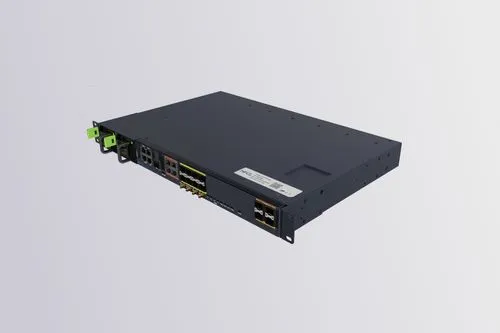
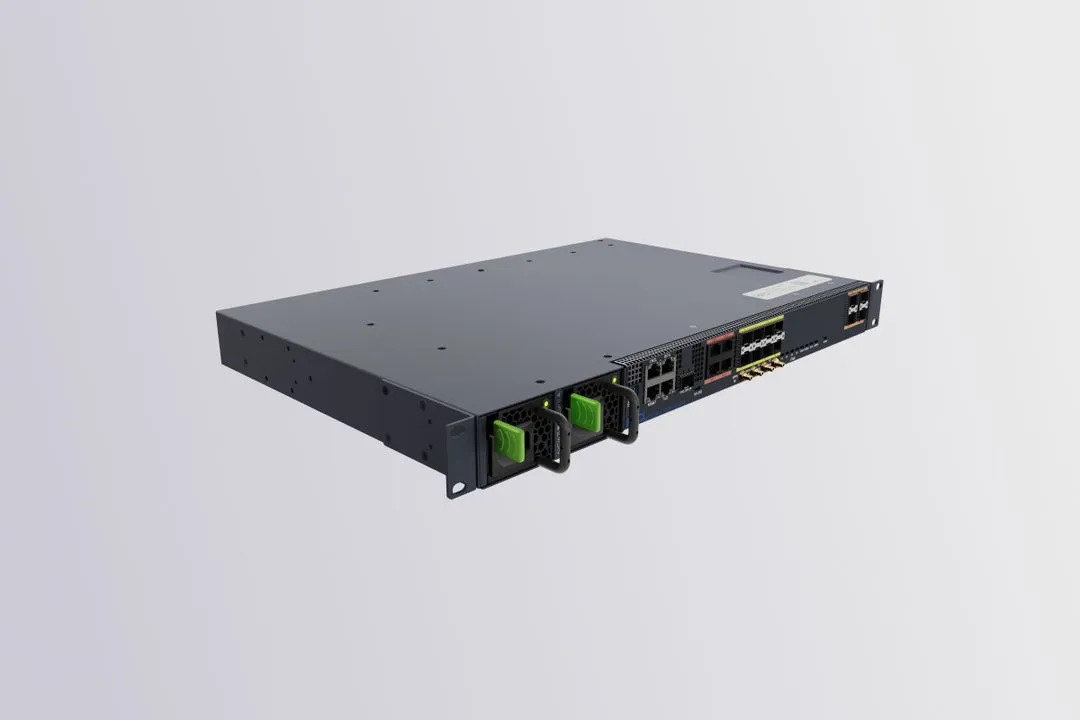
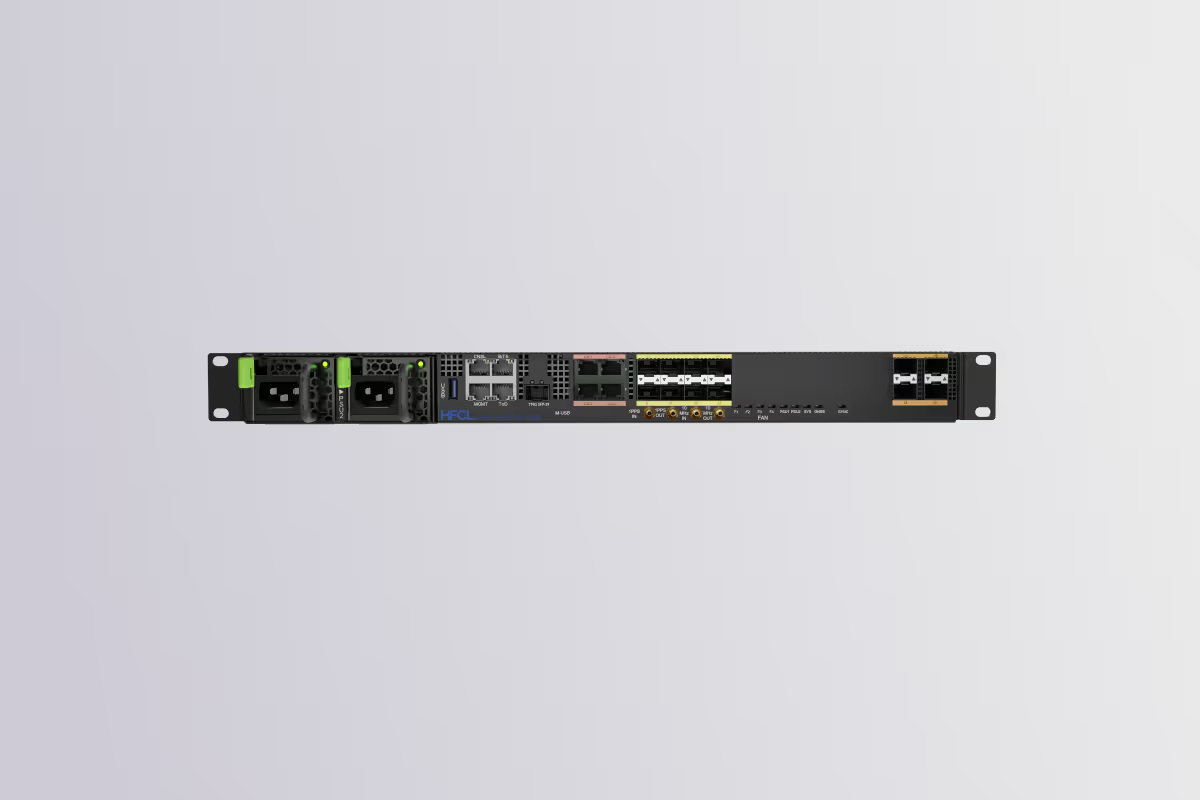
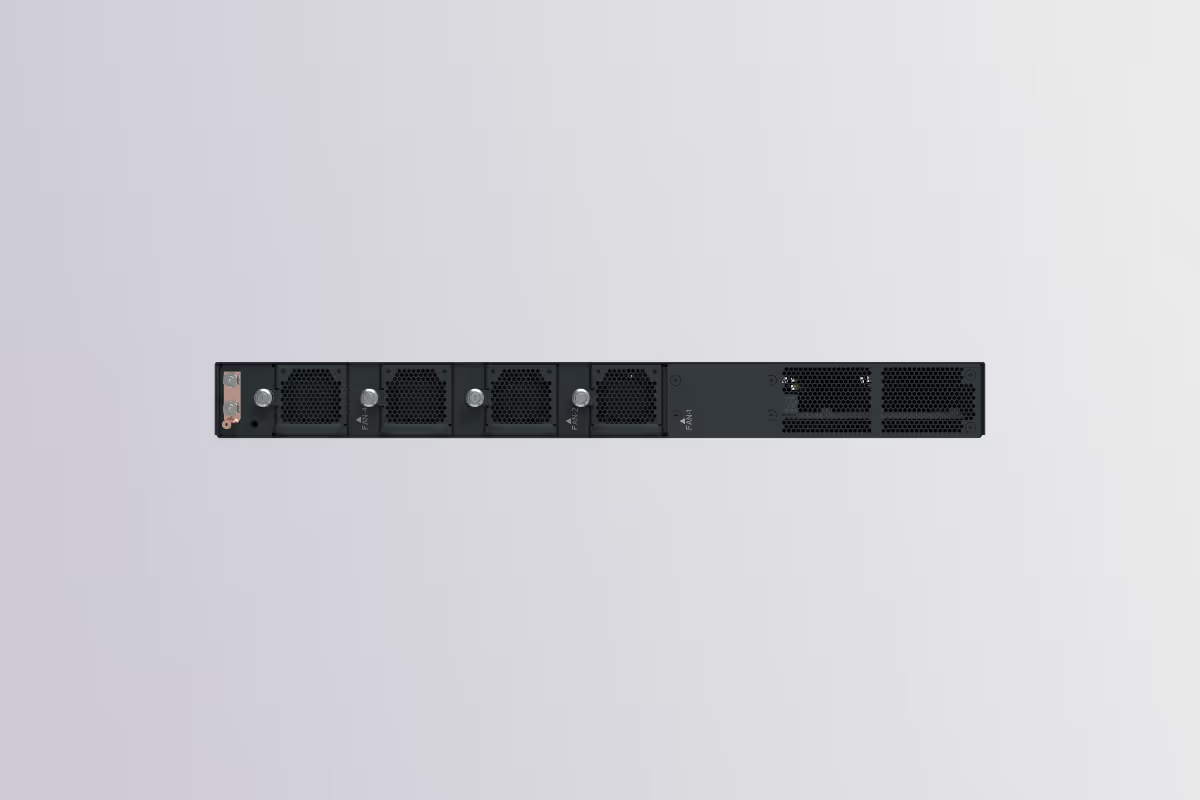
HFCL DCR 1100 Router (52 Gbps) is a pivotal enabler for digital transformation across industries. With the surge in user base and diverse consumption methods, it addresses the need for higher bandwidths in mobile communication networks. As enterprises embrace the fourth industrial revolution, relying on technologies like IoT, AI, and automation, the DCR 1100 ensures ultra-low latency and high bandwidth, catering to the demands of mission-critical applications and the evolving landscape of end-to-end operations
Features
Benefits
High Bandwidth Aggregation
Efficiently aggregates bandwidth for telecom companies and enterprises, promoting seamless connectivity and enhancing overall network performance
Segment Routing Flexibility
Provides a versatile set of L2 and L3 features compliant with Open Compute Standards, catering to diverse requirements for optimal network performance
Automated Operations
Supports Zero-touch Provisioning (ZTP) and compatibility with legacy SNMP and Netconf/Yang, reducing manual intervention and streamlining management
Advanced Timing and Synchronization
Facilitates cutting-edge 5G applications with advanced timing capabilities, ensuring precise synchronization for improved service delivery
Compact Design with Robust Security
Compact design supports deployment in temperature-challenged, space-constrained locations. Enhanced security features protect control, data, and management planes, ensuring reliable operation
Key Specifications
Applications
- Cell Site Aggregation
- Edge Network Connectivity
- CSP Bandwidth Delivery
Variants
FAQs
Access Routers in transport networks are pivotal, bridging end-user devices with the broader network. They manage traffic, ensuring optimal flow and prioritizing essential services for uninterrupted performance. By making smart routing decisions, they guide data efficiently through the network. As frontline security defenders, they guard against threats with firewalls and VPNs. Versatile in connecting to various network types, they're key in adapting to diverse user needs. Additionally, they perform Network Address Translation (NAT), enhancing security and conserving IP addresses. Essential for seamless, secure, and efficient communication, their role in data networking is increasingly vital amidst growing data demands.
Deploying a 5G transport network demands high bandwidth, ultra-low latency, and scalability to support burgeoning data and device numbers. It requires robust reliability, network slicing for diverse applications, and enhanced security against cyber threats. Integration with existing networks, energy efficiency, and adopting flexible technologies like SDN and NFV are also crucial. Success hinges on strategic planning and advanced technology investment, ensuring the network meets the transformative needs of 5G connectivity within a concise framework.
MPLS (Multi-Protocol Label Switching) streamlines network traffic flow with short path labels, facilitating faster data packet forwarding by bypassing complex routing table lookups. It enhances network services' reliability, efficiency, and scalability, supporting VPNs, traffic engineering, and Quality of Service (QoS). Widely adopted in carrier networks, MPLS's compatibility with IP and various protocols offers a flexible and efficient approach to managing and optimizing network traffic.