Air Blown Unitube Cables (CFUs)
Air Blown Unitube Cables (CFUs): Where Efficiency Meets Durability


About
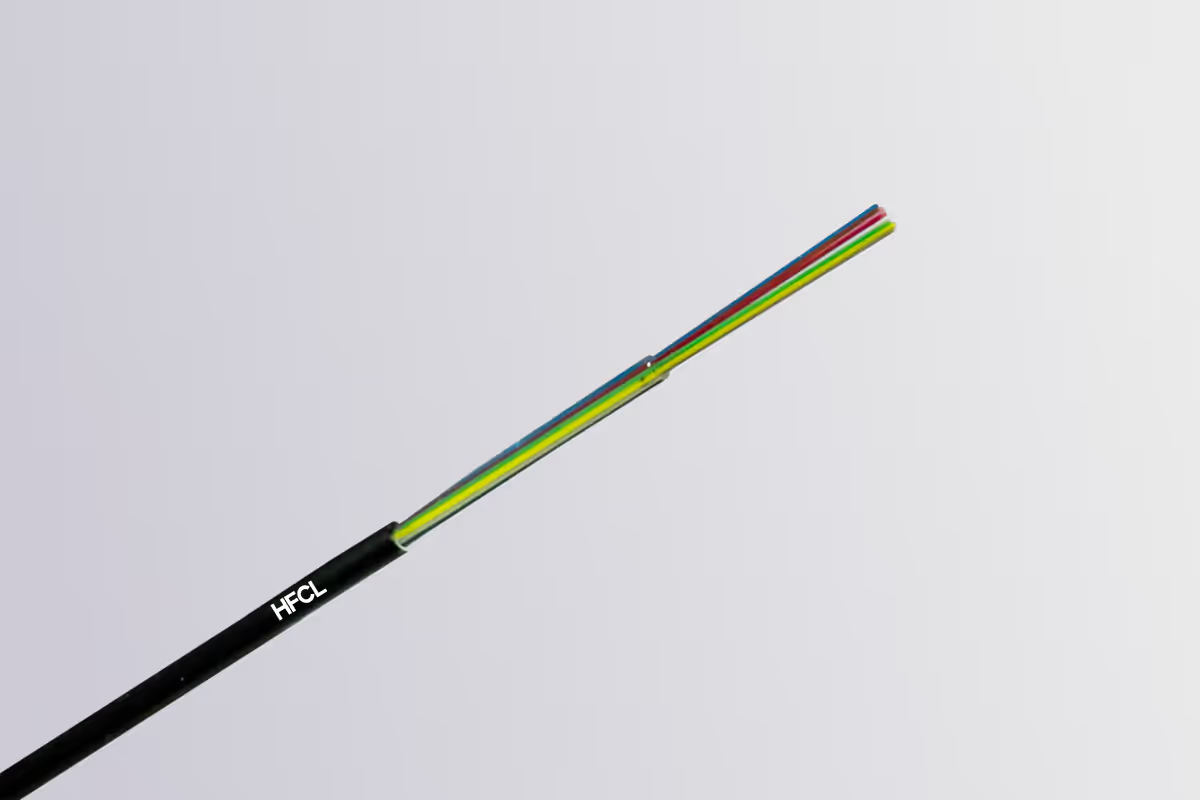
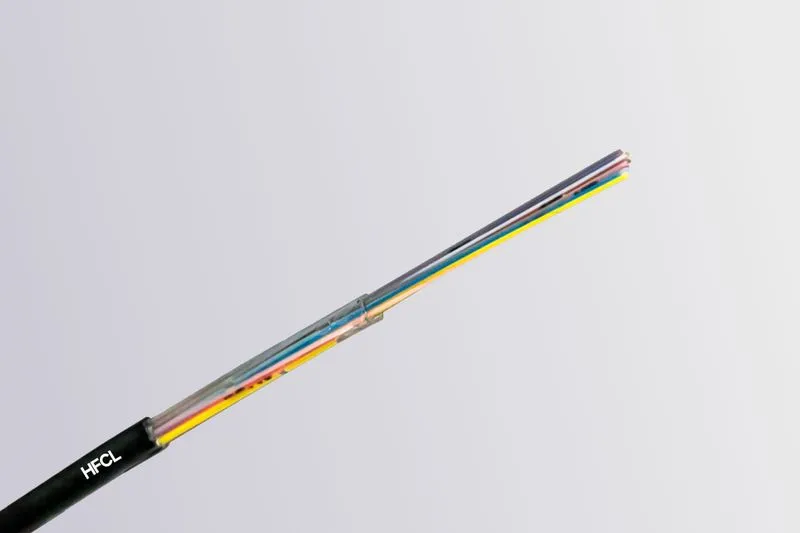
Upgrade your network affordably with HFCL’s air blown unitube cables, designed for backbone, LAN and FTTx networks, last-mile connectivity, and feeder/distribution systems. Boasting a central loose tube, small diameter, rugged UV-stabilized jacket, and ultra-thin construction (2 fibers-24 fibers), these fiber optic cables deliver flexibility and protection. Effortless installation in microducts (3.5 mm-6 mm) makes them perfect for cost-effective FTTH drop connections. Their durability ensures peak performance in environments from -30°C to +70°C, making them a trusted choice for network upgrades.
Features
Benefits
Precise Fiber Length Balance
Ensures stable and consistent performance with accurately balanced fiber lengths
Efficient Water Blocking
The fiber optic cable core is gel-free, providing excellent water-blocking capabilities
Enhanced Sheath Design
Innovative sheath structure improves blowing performance, allowing for greater blowing distances
Versatile Fiber Options
This fiber optic cable supports various fiber types, including G.G652.D, G.657.A1, G.657.A2, and multimode fiber
Stringent Cable Standards
Compliant with cable performance standards such as IEC 60793, ANSI/ICEA S-87-640, Telcordia GR-20, ITU-T, and RoHS
Ideal for Harsh Conditions
This fiber optic cable performs effectively across a wide temperature range from -30°C to +70°C
Key Specifications
Applications
- Backbone network
- Feeder and distribution network
- Microduct blowing
- LAN and FTTx
- Last-mile connectivity
Variants
FAQs
Unlike the usual ways of installing fiber optic cables directly or pulling them through conduits, air-blown cabling uses tiny tubes or ducts to push small and light bundles of optical fibers or micro cables along planned paths. This method can achieve speeds of up to 500 feet per minute (150 m/min).
The cable blowing technique involves using compressed air to propel a cable through ducts or conduits. It is a method that significantly simplifies and accelerates the installation of fiber optic cables.
The cable blowing technique differs from traditional cable pulling in that it utilizes compressed air to propel a cable through ducts or conduits. Unlike the manual labor-intensive process of pulling cables, blowing employs controlled air pressure, allowing for faster, more efficient, and less labor-intensive installations. This method is particularly advantageous in situations where the conventional cable-pulling approach may be challenging or impractical.